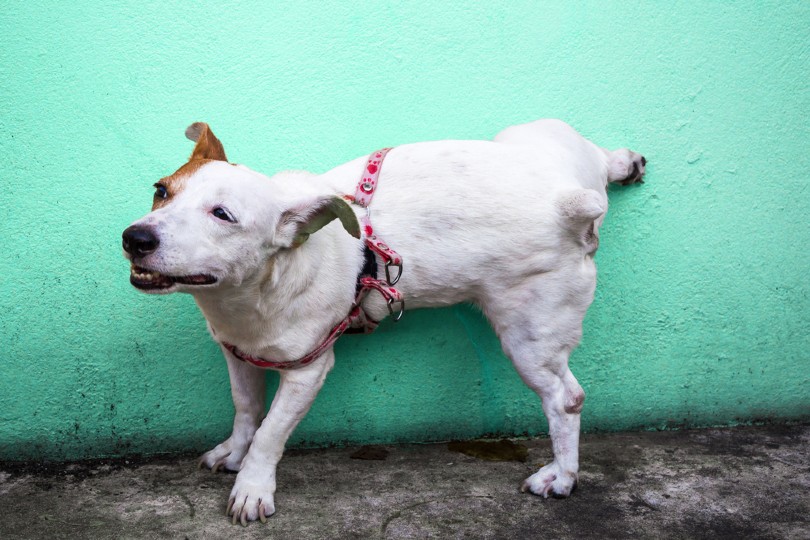
Does Dog Pee Kill Plants? Vet-Verified Facts, Tips & FAQ
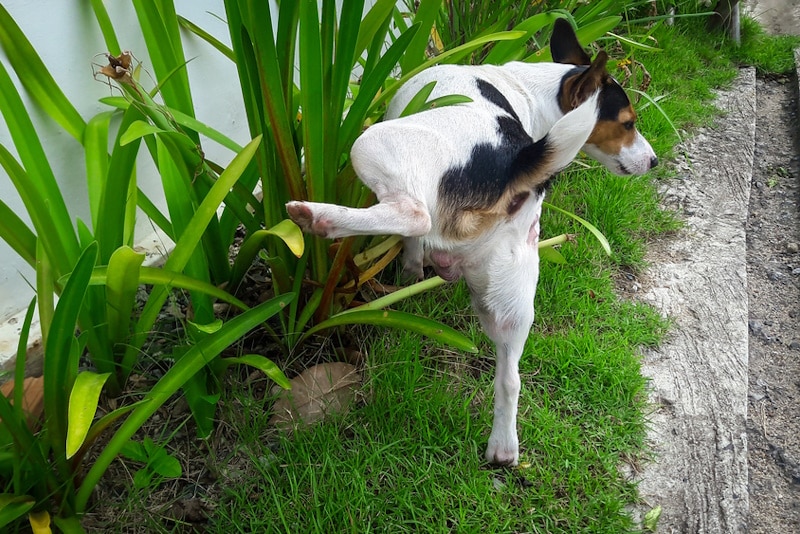
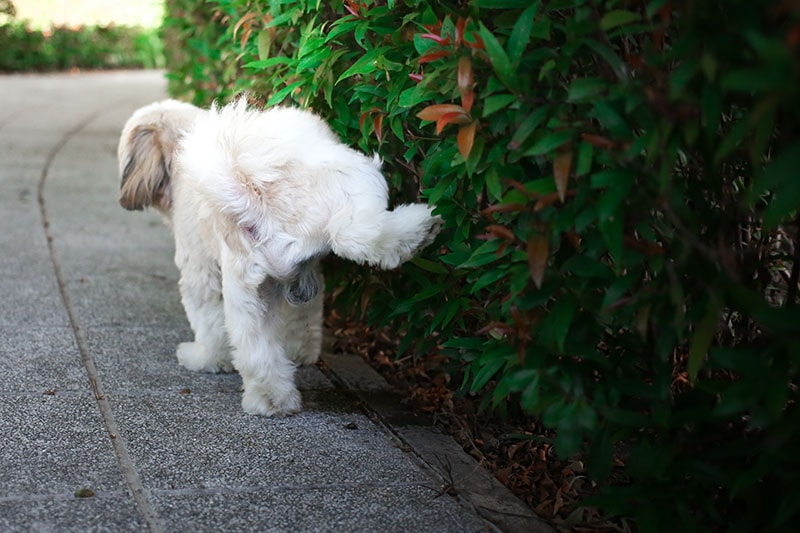
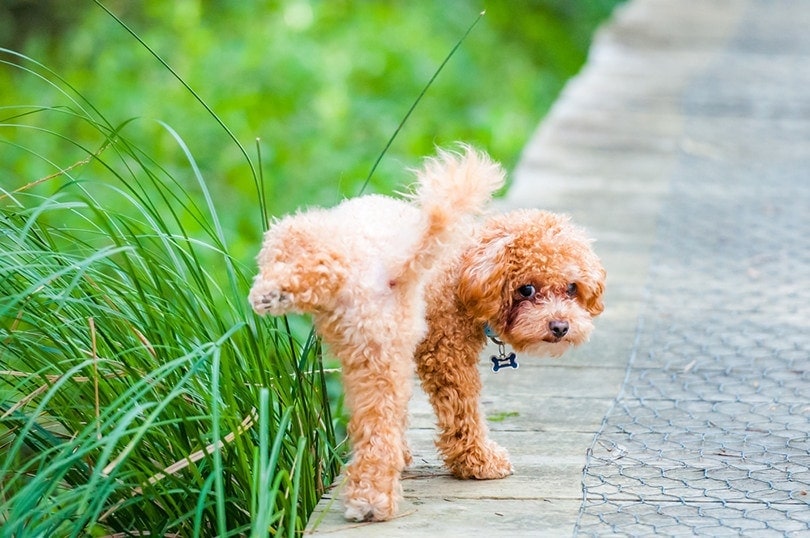
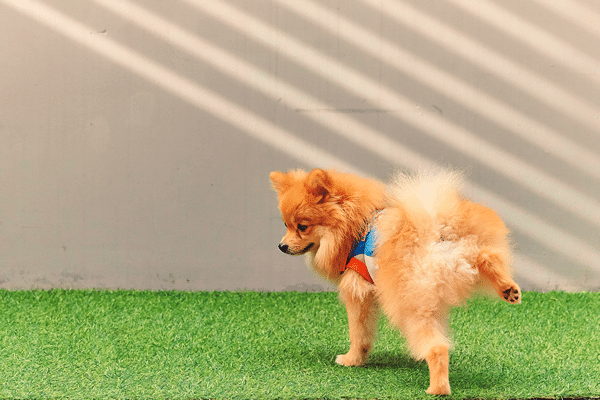
As much as we want everyone in the family to get along, our dogs and plants can never seem to maintain the peace. Prickly and poisonous plants can hurt our pets when they get too curious, and dogs can cause all kinds of damage in the garden. If they’re not destroying them by digging or chewing, a dog’s pee is enough to burn or kill many of our favorite plant varieties.
The persistent threat of dog urine forces many owners to take extra steps to protect their gardens while accommodating their pets. Striking a balance isn’t always easy, but we’ll help you solve your problem by explaining why dog pee kills plants and how to keep it from happening.

What Does Dog Urine Do to Plants?
A dog’s urine and feces have high nitrogen and phosphorus concentrations due to their protein-rich diet. Both of these components are necessary for the plants in moderation, but excessive amounts of these compounds can quickly damage many plants. While feces account for most of the phosphorus contribution from a dog’s overall waste, urine is responsible for almost half of the deposited nitrogen.
Excessive nitrogen stimulates growth. Plants grow larger leaves and shoots, delaying and reducing fruit production. Roots and leaves become more attractive to pests and prone to disease, with delicate plants suffering damage.
Nitrogenous compounds can also lead to soil acidification, affecting vitamin and mineral uptake. Meanwhile, urine salts create soil crusts and draw water away from roots, dehydrating plants and further preventing them from absorbing vital nutrients.

Signs of Dog Urine Damage
Plant leaves show the most glaring signs of urine damage, turning yellow and brown at the edges and tips and dying prematurely. Lawn burns often appear as pale yellow patches dotting the otherwise green grass.
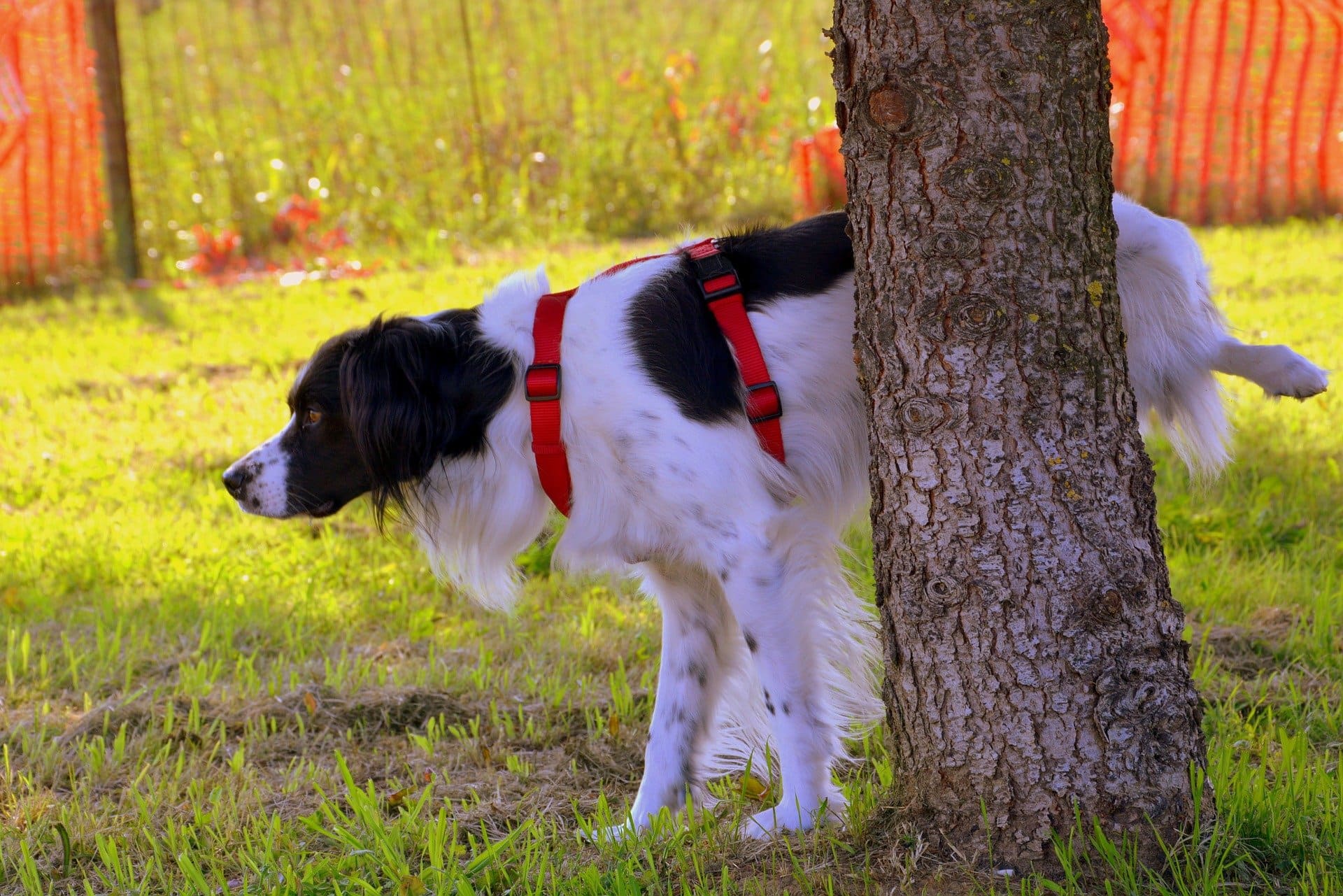
When dogs urinate on trees, fissures can open around the trunk. The bark can eventually peel back, preventing growth and exposing the tree to fungi and disease.
Dog Urine’s Effect on Ecosystems
While your dog can destroy individual backyard plants, studies have found dog waste can affect plant communities. The patchy nitrogen deposits dogs leave in nature can destroy some plants while benefiting others, causing them to dominate certain areas. In turn, this can affect native wildlife that depend on particular plant species.
Their compounded effect can be significant in parks and recreational areas where many dogs wander and do their business off-leash. Coupled with the more evenly spread atmospheric nitrogen, some see the annual 11.5 kg of nitrogen per hectare that dogs contribute from urine and feces as enough to upset the biodiversity in entire ecosystems.1

FAQ (Frequently Asked Questions)
Which Plants Can Tolerate Dog Pee?
Dog urine can damage numerous plant species, especially when they pick the same targeted spot to relieve themselves. Controlling your dog’s habits and setting barriers is typically the best solution. But if you can’t bear to limit your dog in the backyard, you can choose plant species that will tolerate the nitrogen, salts, and subsequent soil changes that dog urine doles out. The following are some plants that can better withstand your dog’s waste:
- Native Sword Fern
- Japanese Aralia
- Holly Fern
- Elfin Creeping Thyme
- Hardy Geranium
- Snow in Summer
- Burkwood Osmanthus
- Carpet Bugleweed
- Silver Carpet
- Mexican Sage
- Bear’s Breech
Urine-tolerant plants can make practical barriers for more delicate plants your dog may harm with urine. Always research the toxicity of your dog-resistant garden plants, as you don’t want your pet to get sick from accidentally eating poisonous varieties.
How Do You Protect Your Plants from Dog Pee?
It’s time to take action once you notice your dog’s detrimental peeing habits or their effects on your plants. You’ll have to set new boundaries and alter the behavior, often combining several techniques to fix the issue.
You can block or deter your dog without punishing them since you don’t want a simple problem like this to damage your bond. Here are a few tips to protect your plants while keeping your dog happy.
1. Dilute the Urine
If you’ve ever found a grass spot yellowed from dog urine, you may have noticed the dark green ring around the edge separating it from the rest of the lawn. The fringe develops this lush, healthy coloration because the nitrogen is diluted. After all, nitrogen is critical for plants in moderation. Rather than damage the grass, the lowered concentration on the edge of the burnt patch fertilizes it to promote healthy growth.
You can use the same principle to protect your plants when your dog pees on them. Although it isn’t a permanent solution, as you’ll have to do it every time your dog goes to the bathroom, you can prevent immediate damage by hosing down urine spots to dilute them.
A better solution may be to water your dog rather than your lawn. Although it will increase your dog’s need to pee, providing a constant supply of fresh water can help dilute their urine, helping prevent damage when they pee outside. You can also add water to their dry kibble or switch to wet food to keep them hydrated. That said, we are talking about healthy hydration levels; nothing extreme, but ensuring your dog is well hydrated is important, especially if their diet is dry kibble.
2. Train to Pee in Designated Spots
Stopping dogs from peeing on your plants is easier when they're puppies, and you can efficiently train them to develop better habits. Choose a specific spot to have your dog pee, and introduce them to it while on a leash. As they pee, say a cue like "Go potty!" to connect to peeing in that spot.
You'll eventually use this to guide your dog when they have to pee. Have treats handy, and reward and praise your dog right after peeing to build a positive association with the routine.
A consistent feeding and potty schedule will be essential to this effort to help your puppy settle into the routine and help you predict when they’ll have to go to the bathroom.
Mistakes will happen, and the process will take time, but the hope is that your dog will eventually go to their designated spot automatically, fixing the issue for good.

3. Put Up a Fence
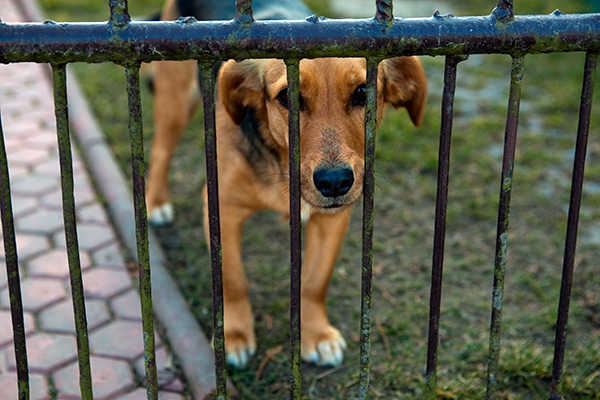
Fencing off a portion of your yard may be necessary for a dog dead-set on peeing on your plants. If you’re training a puppy, you can also use a modular pet pen to temporarily block off your vulnerable plants until your dog is trained.
4. Use Dog-Deterring Substrates
Protecting your trees is easy if you stop dogs from wandering near them in the first place. If you can’t install a fence, you can make some areas undesirable with substrates. Some people find laying barriers of pinecones, pebbles, and other materials that are uncomfortable on paws will keep dogs from getting near their precious trees and plants.
5. Spread Dog Repellants Near Plants
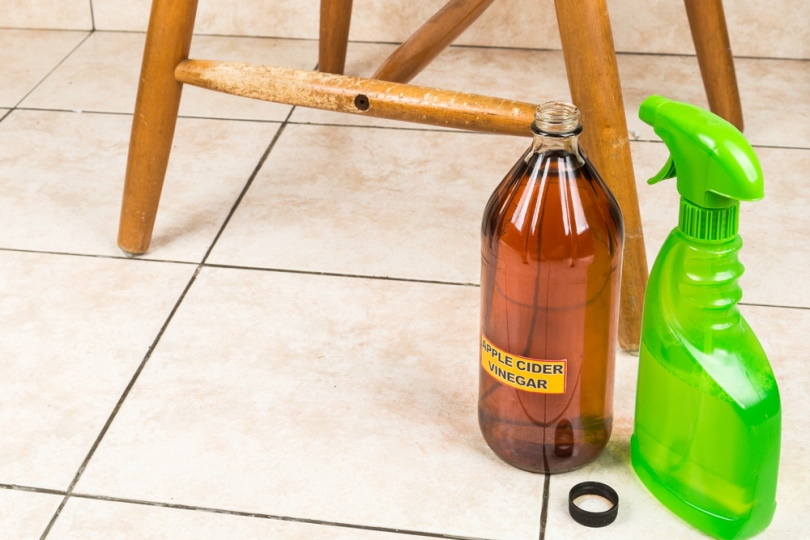
One of the most used DIY methods to keep neighborhood dogs away is to spread certain deterrents and smells around plants. Cayenne pepper, vinegar, citrus sprays, and black pepper are popular options, or you can fight pee with pee by using coyote or even human urine to deter dogs. You can also find commercially available products for this purpose, just make sure they are plant-safe.
Though hardly fool-proof solutions, these deterrents are easy to apply and may keep away numerous other pests, including cats, skunks, and squirrels.

6. Talk to Your Vet
Their diet can significantly impact the nitrogen concentration in your dog’s urine. Higher-quality protein, for instance, is easier to digest. Less nitrogenous waste ends up in your dog’s urine, reducing its effect on your lawn and garden. You may also be able to reduce your dog’s protein intake with less dense formulas that better suit their activity levels.
Adjusting your dog’s diet should follow a talk with your vet. Buying better food may seem like a no-brainer, but your dog could have allergies or intolerances that will disqualify some otherwise excellent options. Your vet will give you the best advice based on your dog’s health profile.
Conclusion
Dog urine can kill plants around the yard and in public spaces, taking a toll many owners may not appreciate. Fortunately, pets and plants can coexist in harmony. By providing positive support with these practical tips and techniques to control your dog’s potty time, you’ll give your plants their best chance to thrive.
Featured Image Credit: Rabbit Studio, Shutterstock
Expert dog care, straight to your inbox
Vet-reviewed advice, training tips, and the best of Dogster. Free, and you can unsubscribe anytime.
By signing up, you agree to our Terms & Conditions and Privacy & Cookies Policy.
Nicole has loved animals of all sizes her whole life so it's no wonder she has dedicated her career to helping them through what she loves best: learning, writing, and sharing knowledge with others. She’s the proud mom of two dogs, a cat, and a human. With a degree in Education and 15+ years of writing experience, Nicole wants to help pet parents and pets around the planet to live happy, safe, and healthy lives.
Join the conversation
Ask a question, share your story, or send private feedback.